

Blog
Storage and Handling Tips for Research Chemicals: Safety Comes First

Introduction
The proper storage and handling of research chemicals are essential for maintaining product integrity, laboratory safety, and regulatory compliance. Even small errors in storage conditions can compromise purity, stability, or safety. By following structured safety protocols, researchers ensure that their results remain valid and their laboratories remain secure.
1. Importance of Proper Storage
Research chemicals are sensitive to environmental factors such as temperature, humidity, and light. Incorrect storage can alter their chemical composition or render them unstable. Proper storage extends the lifespan of compounds and preserves their analytical accuracy. Always refer to the product’s Certificate of Analysis (COA) and Safety Data Sheet (SDS) for detailed instructions.
2. Temperature and Environmental Control
Temperature plays a critical role in maintaining the chemical stability of compounds. Laboratories should maintain controlled environments tailored to each product’s storage category:
- Room temperature (15–25°C): Suitable for most dry, stable compounds.
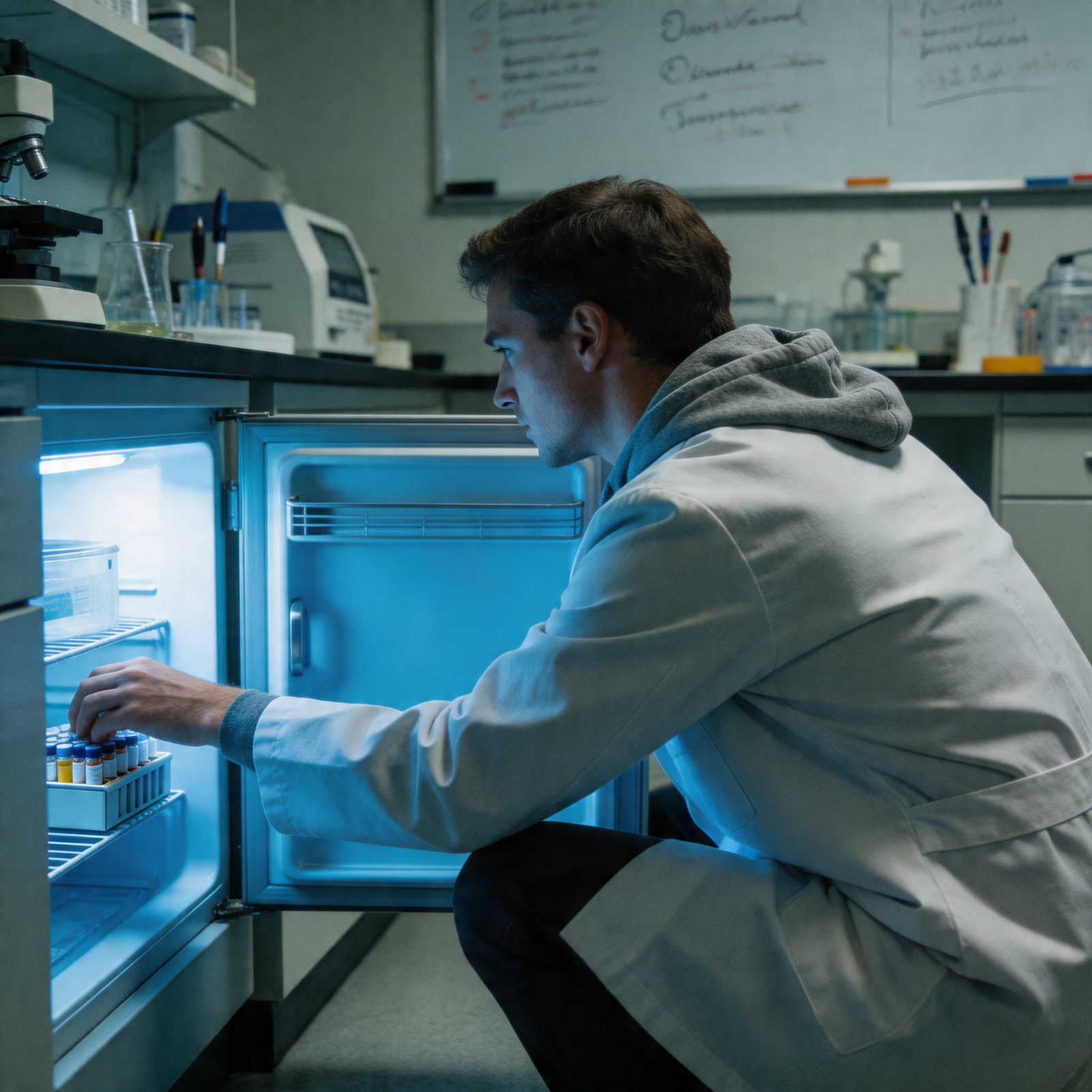
- Refrigerated (2–8°C): Used for peptides, enzymes, and sensitive reagents.
- Frozen (-20°C or below): Required for compounds prone to degradation at ambient temperatures.
Temperature fluctuations are more damaging than steady conditions. Use temperature loggers and alarms for freezers and refrigerators to detect variations promptly.
3. Protection from Light and Moisture
Many research chemicals degrade when exposed to light or moisture. Store light-sensitive materials in amber vials or opaque containers, and ensure desiccants are present for hygroscopic compounds. Keep storage areas dry and well-ventilated to prevent condensation and corrosion.
4. Labeling and Organization
Accurate labeling and organized storage minimize confusion and improve traceability. Every container should include:
- Product name and catalog number
- Batch or lot number
- Date received and date opened
- Storage conditions and hazard information
Implement a clear labeling system using waterproof labels and chemical-resistant ink. Store chemicals alphabetically within hazard classes rather than by name alone to ensure safety.
5. Segregation of Incompatible Substances
Never store incompatible chemicals together, as they can react dangerously. Segregate materials based on their hazard class:
- Acids and bases: Keep apart to prevent violent neutralization reactions.
- Oxidizers and organics: Store separately to avoid combustion risk.
- Flammables: Keep in a dedicated, ventilated cabinet.
- Toxins and carcinogens: Secure in locked, labeled enclosures with limited access.
Use chemical compatibility charts as reference tools and maintain secondary containment trays to prevent spills from spreading.
6. Safe Handling Practices
Handling research chemicals safely requires planning and discipline. Always wear appropriate personal protective equipment (PPE), including gloves, goggles, and lab coats. Handle volatile substances in fume hoods and avoid direct inhalation or skin contact.
- Plan ahead: Read SDSs before use and ensure equipment and spill kits are available.
- Avoid contamination: Use clean spatulas, pipettes, and containers for each compound.
- Work on stable surfaces: Keep benches clean, uncluttered, and dry.
- Dispose properly: Follow institutional and environmental regulations for chemical waste.
7. Transport and Inventory Management
Internal and external transport of chemicals must be secure and documented. Use sealed secondary containers and label shipments according to hazard classes. Maintain an up-to-date inventory database with product quantities, storage locations, and expiration dates to ensure accountability and prevent redundant purchases.
8. Spill Response and Emergency Preparedness
Despite precautions, accidents can happen. All personnel should know how to respond to spills or exposure incidents. Essential steps include:
- Alert others and evacuate if necessary.
- Use spill kits with absorbent materials and neutralizers.
- Dispose of contaminated materials in labeled hazardous waste bags.
- Report all incidents to the lab supervisor and complete documentation promptly.
Routine drills and clear signage for emergency exits and eyewash stations enhance readiness.
9. Documentation and Compliance
Maintaining written records of storage, handling, and disposal procedures demonstrates compliance with institutional, national, and international regulations. Documentation also ensures traceability in case of audits or investigations.
Conclusion
Proper storage and handling of research chemicals protect both researchers and results. By controlling temperature, light, and humidity, organizing and labeling effectively, and enforcing safety protocols, laboratories create an environment that promotes accurate, reproducible research. Every step taken to ensure safety is a step toward better science.
For guidance, documentation requests, or safety inquiries, contact support@globalresearchchem.com. All products are sold strictly for laboratory research use only and not for human or veterinary consumption.